
Newest first · RSS
Field notes
Rule changes at AI engines and platforms, experiments measured on live sites, and release notes.
 Measurement
First contentful paint on 34 homepages: three clear the 1.8-second bar
First contentful paint is the moment the first text or image lands, and on 34 homepages only 3 came in under the 1.8-second target. The median page stayed blank for about 3.9 seconds — and the gap to largest contentful paint is where the real wait hides.
 Implementation
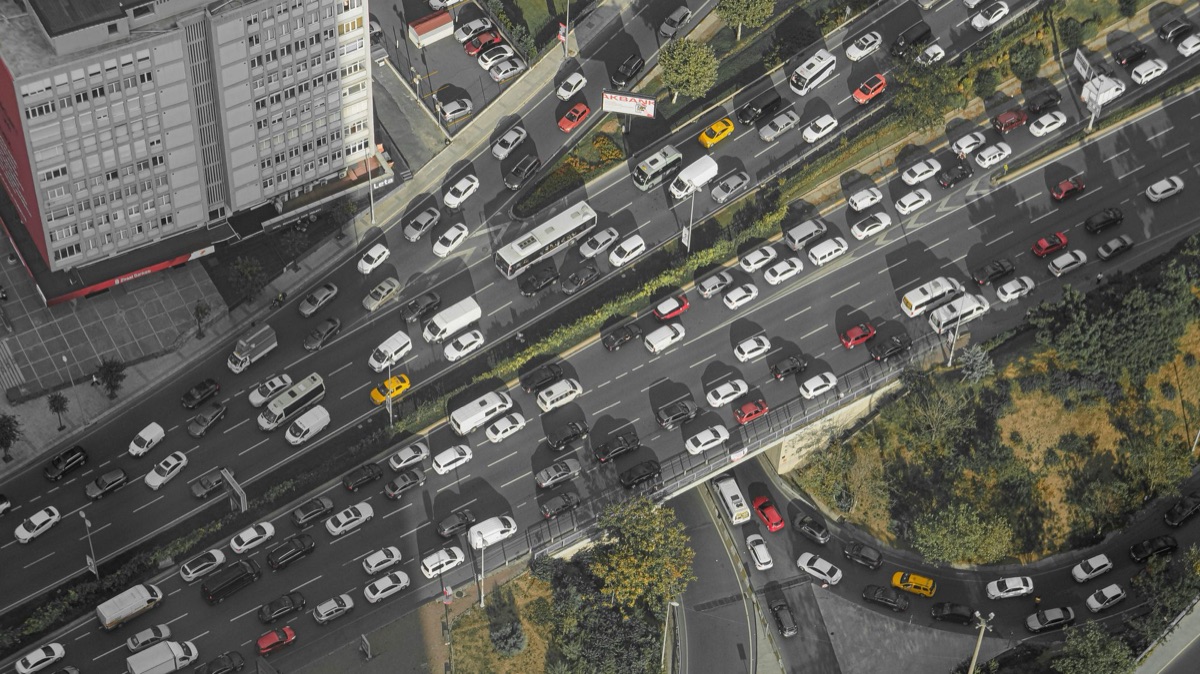
Cumulative layout shift: how to find it and stop it
Cumulative layout shift is the Core Web Vital for visual stability, and the target is 0.1 or less at the 75th percentile. This chapter is a four-step way to find the element that moves, name it in the audit, and reserve its space — including the command we ran on BBC News.
 Implementation
Total blocking time on 24 homepages: only 2 clear the 200 ms bar
Total blocking time is the lab proxy for responsiveness, and on 24 homepages only 2 came in under the 200 ms target. The median homepage blocked the main thread for about 6.7 seconds; here is how we measured it and what the number does not prove.
 Implementation
Interaction to next paint: how to measure it and fix the slow interaction
Interaction to next paint measures how long a page takes to respond to a click, tap, or keypress, and the target is 200 milliseconds or less at the 75th percentile. Here is how to find the slowest interaction and fix the part that causes it.
 Implementation
webmcp: one of 35 homepages lets AI agents call it, and it is Cloudflare's own
webmcp is a new browser standard that lets a site hand a set of tools to the AI agent visiting it. On 35 homepages read 2026-09-30, exactly one runs it, and it is Cloudflare's own site.
 Implementation
Largest contentful paint: how to measure it and fix the slowest part
Largest contentful paint is the render time of the biggest element in the viewport, and the target is 2.5 seconds or less. Here is how to find the element, split the four subparts, and fix the one that dominates.
 Rankings & Citations
og image not showing: 3 of 27 declared files on 30 homepages break a preview rule
og image not showing is usually a file problem, not a tag problem. On 30 homepages read 2026-09-27, 27 declared an og:image, and three of those files were a 404, an SVG, or a 9.4 MB GIF — each one breaking a rule a share preview enforces.
 Crawling & Indexing
Mixed content: how to find insecure requests and fix them before the browser blocks them
Mixed content is an insecure request made by a page loaded over HTTPS. Browsers upgrade images, video and audio on their own and block every other insecure request, so one http:// URL can quietly stop a script or a download. Here is the audit command and the fix table.
 Implementation
Cloudflare Vary support is live in Cache Rules: how to choose normalize, passthrough or bypass
Cloudflare Vary support shipped on 22 September 2026, on every plan, and it splits one hard decision in two: the origin still names the fields in Vary, and a Cache Rule decides whether Cloudflare normalizes, passes the exact value through, or bypasses cache for each one. The default is normalize. We checked 30 homepages and our own six sites on 26 September 2026.
 Crawling & Indexing
Semantic HTML for search and AI: which element each part of the page should use
Semantic HTML gives every region of a page a name, and a crawler reads that tree before it reads your text. This chapter gives the element-per-region table, a one-line landmark audit, and the claim we refuse to make: Google says search can rarely depend on semantic meanings, so markup is a correctness fix, not a ranking lever.
 Implementation
width and height attributes on 25 homepages: half of 1,711 images ship neither
width and height attributes were missing from 864 of the 1,711 images on 25 homepages we crawled on 2026-09-22 — 50.5% of them. Three homepages declared a dimension on no image at all, and 102 declared values that are not pixel numbers.
 Crawling & Indexing
Log file analysis for SEO: how to see which AI crawlers actually visited
Log file analysis for AI crawlers reads two fields your server already keeps: the User-Agent and the IP. This chapter gives the one command that counts every agent, the field table, the token list, and how to verify which lines you can believe.