Fact check AI-generated content: a claim ledger that catches what a reread misses
To fact check AI-generated content, log every checkable claim and verify each one against a primary source before editing for voice. This five-step review and claim ledger catch invented numbers, stale features and false quotes.
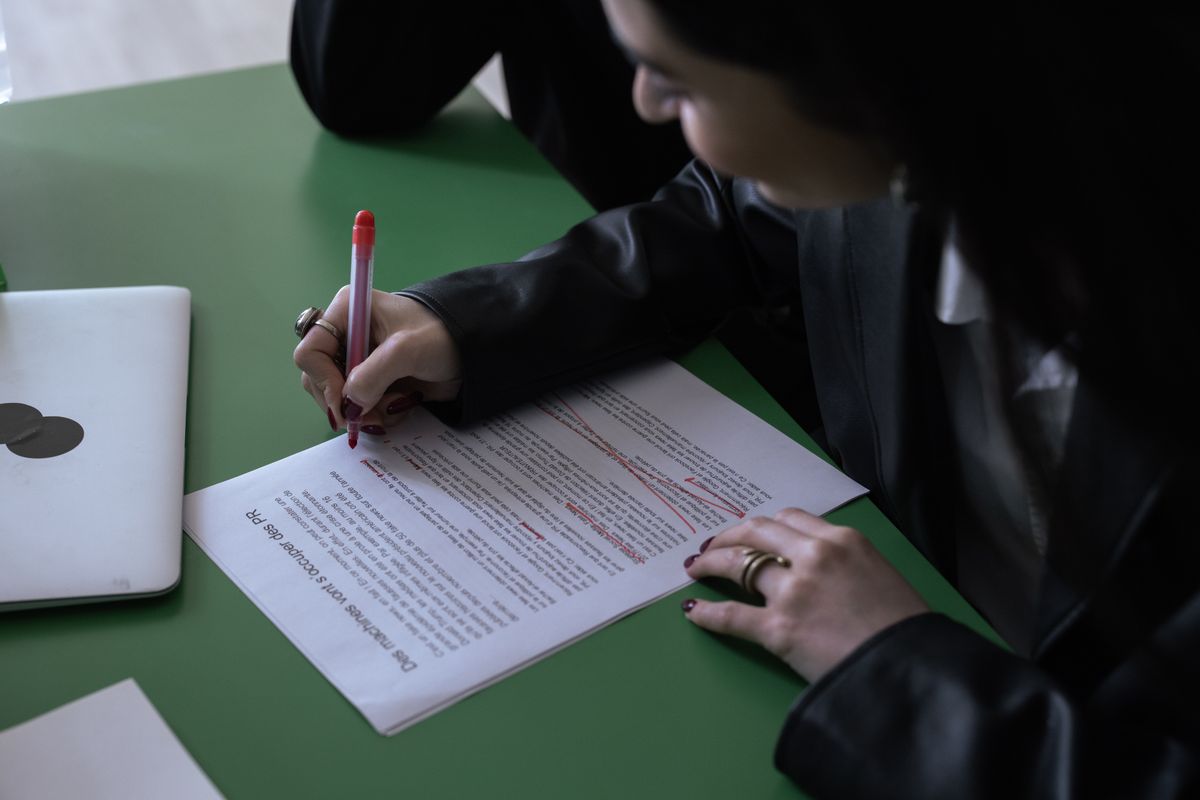
To fact check AI-generated content, stop rereading it and start logging claims. Pull every checkable statement out of the draft into a ledger, verify each one against a primary source, and write the source URL and the date you checked it into the row. Rereading catches typos. The ledger catches the invented number, the expired feature, and the quote nobody said.
This chapter is for the draft you are about to publish on a product page, a directory profile, or a launch post. It takes about as long as the draft took to generate, which is the part most people skip.
Why rereading misses the errors AI makes
AI errors are fluent. The grammar is right, the sentence is confident, and the wrong detail sits exactly where a right one would sit. A reread checks whether the prose sounds plausible, and fluent wrong text passes that test. You need a second pass that checks statements, not sentences.
| Error | What it looks like | Where to check |
|---|---|---|
| Invented specific | A number, date, limit or version that sounds precise | The changelog, pricing page or official doc |
| Stale fact | A feature or rule that was true last year | The current help page, not a blog post |
| Scope drift | "Every plan" when one plan excludes it | The plan comparison table |
| False attribution | A quote or study attached to the wrong person or paper | The original recording or publication |
One more failure is common on product copy: the draft describes a workflow nobody on the team has run. It reads like a feature because every verb is present. Ask the person who built it to walk through the steps before you call the paragraph verified.
How to fact check AI-generated content in five steps
Run the steps in order. Each one has a finish line, so you can tell when it is done instead of rereading until you feel tired. The point of the sequence is to separate judgment from wording: you decide what is true while the draft is still frozen, and you decide how it sounds only after that.
- Mark every checkable claim. Highlight each sentence that could be false: numbers, dates, names, prices, limits, comparisons, quotes, legal statements. Finish when every such sentence has a row in the ledger.
- Sort by consequence. A wrong price or security claim can cost a customer money or trust. A wrong adjective costs nothing. Work from the most expensive failure down.
- Open the primary source. Use the vendor's documentation, the original study, the actual invoice or the recording. Finish when the row contains a URL and the date you opened it.
- Remove or qualify what you cannot verify. "Supports CSV export" can become "supports CSV export on the Team plan" if that is what the doc says. If no source exists, cut the claim.
- Edit for voice last. Rewriting before the ledger closes moves sentences around and invalidates the rows you already checked.
Step three is where the work happens. A second AI answer is not a primary source; it is another draft with the same failure modes. Open the page the claim came from, or delete the claim.
The claim ledger
Copy this table into the same document as the draft and add one row per claim. The columns are deliberately boring. Boring is what makes a review repeatable by someone other than you.
| Claim | Type | Source | Checked | Verdict |
|---|---|---|---|---|
| Exact words from the draft | Number, date, feature, quote, legal | URL or file name | YYYY-MM-DD | Verified, qualify or remove |
| Works with every major CRM | Scope | Integration docs | Date opened | Qualify: list the supported ones |
| Ships on 14 March | Date | Release ticket or changelog | Date opened | Verified only if the ticket says so |
| Customers save six hours a week | Number | Internal study, with sample size | Date opened | Remove without a real measurement |
The verdict column has three allowed values, and "looks right" is not one of them. Verified means a primary source says it. Qualify means it is true only with a condition attached. Remove means you could not close the row.
Keep the ledger with the draft, not in a chat thread. When the same sentence appears on three channel profiles next month, the ledger tells the next editor why it is worded that way. It also shows which claims were never checked at all, which is the more useful fact.
Put a name on the review. "The team checked it" is how an unverified sentence survives three rounds of editing. One person opens the sources, one person signs the ledger, and the signature moves with the draft. If the draft is handed to an agency or a freelancer, the ledger is the handoff document: it says which facts are settled and which are still open.
Three ways this review goes wrong
None of these are exotic. They are the shortcuts a tired editor takes at the end of a launch week, and each one leaves the page looking finished while the central claim is still unproven.
- Checking against another AI answer. Models repeat the same invented detail, so agreement between two drafts proves very little. It can even make a wrong claim feel safer.
- Treating a live link as proof. A page can load and still not support the sentence. Read the paragraph around the number, not just the search result snippet.
- Rewriting while you verify. Editing changes the claim, and the row you closed no longer matches the page. Freeze the draft, close the ledger, then edit.
What this checklist cannot do
It cannot tell you whether a verified claim will be cited by an AI engine or ranked by Google. No engine publishes that weighting, and anyone who offers a formula is guessing. We do not know which sentence an engine will lift from your page.
It also cannot settle taste. A factually correct page can still be dull, and a dull page does not get shared. Fix accuracy first, because style edits are cheap and a retraction is not.
And it cannot replace the person who owns the product. If the founder says the feature works and the documentation says it does not, the ledger has found a real disagreement. Publish neither version until the team resolves it.
Common questions
Does Google penalize AI-generated content?
Not for being AI-generated. Google's guidance, published 8 February 2023 and still live when we checked on 28 October 2026, says appropriate use of AI or automation is not against its guidelines. What Google's spam policies target is scaled content abuse: many pages produced mainly to manipulate rankings. The test is whether the page helps a reader, not which tool wrote the first draft.
How long should the review take?
Long enough to open every source in the ledger. A short product page usually has fewer claims than the writer expects, and a launch post usually has more. Count the rows before you guess at a time estimate.
Can I use an AI tool to check the AI draft?
As a first pass, yes. Ask it to list the checkable claims and flag anything that needs a source. Treat that list as a to-do list, not a verdict. A model can invent a citation as easily as it invented the claim.
What about testimonials and quotes?
Open the original message or recording. Light editing for length is normal. Merging two customers into one quote is not, and neither is adding a result the customer never claimed.
Where does this fit in the publishing workflow?
After the content brief and before the final read-through. The brief decides what the page must prove; the ledger proves it. Then the page goes into your product landing page or channel profile with the claims already settled.
Fact check AI-generated content once, at the draft stage, and every later version inherits the same checked rows. The review is the cheap half of publishing. The expensive half is keeping the same claim consistent across every channel, then checking later that the published page still says what you approved. That is the job the content creation workflow is built around: one draft, one set of checked facts, and a record of where each version went.
Part of the QueryWin handbook · Level 2